
The maker's size and skill level
Where the maker gives a size, scale length or skill level, the product page shows it. It is their guidance, so read it alongside what you know about the player.
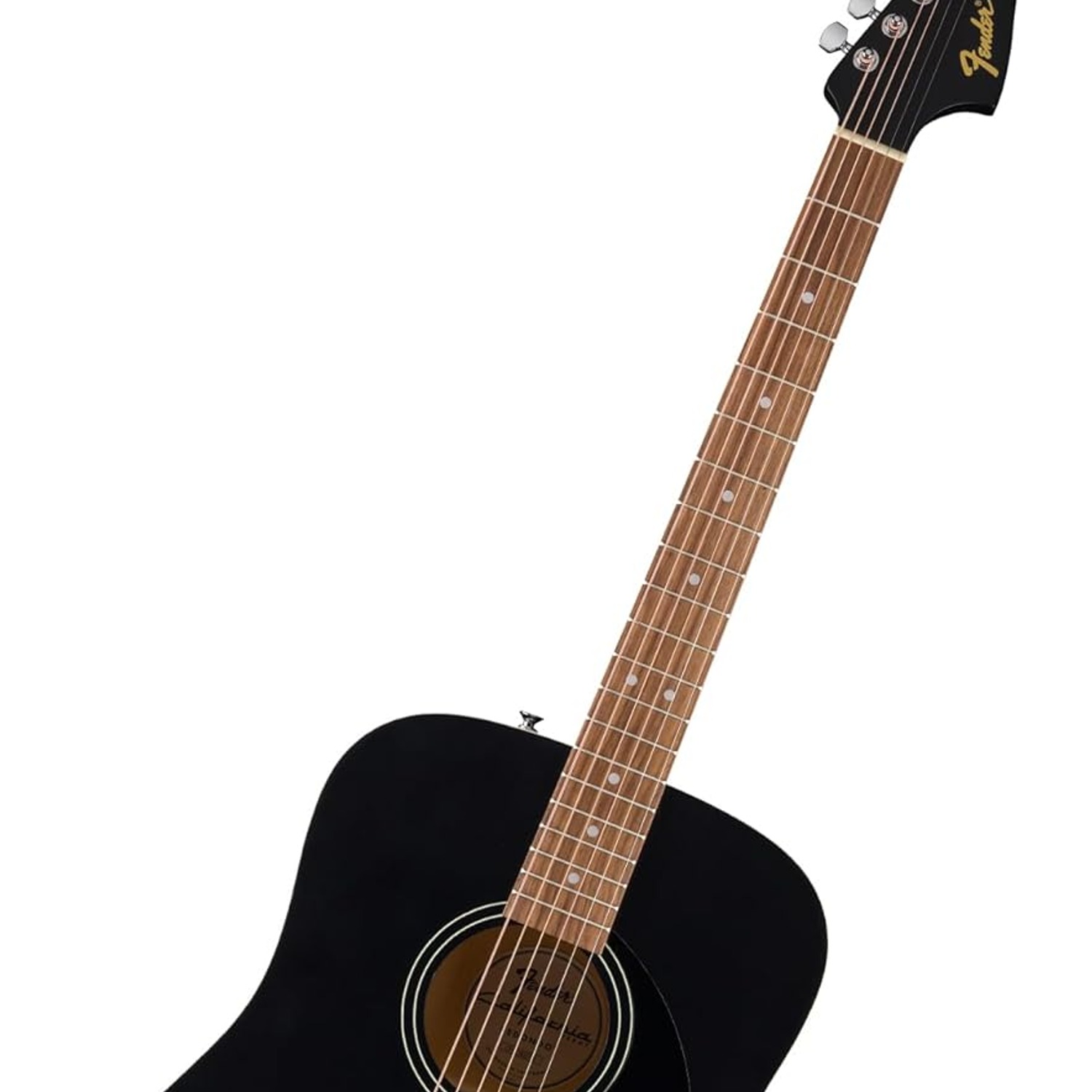
Music Instruments sells one well chosen guitar, bass, ukulele, violin, keyboard, digital piano, drum kit, cajon, harmonica, flute, saxophone, trumpet and more for Australian players. Each product page lists the maker's details: size, key, materials and what is in the box.
An instrument only earns its place if it suits the person who picks it up. We list the facts that decide that, so you know what you are buying.
Where the maker gives a size, scale length or skill level, the product page shows it. It is their guidance, so read it alongside what you know about the player.
A photo cannot tell you whether a guitar will fit a ten year old or how heavy an 88 key piano is to carry. Where the maker gives measurements and weight, they are on the page.
Each page lists the contents, from a gig bag and strap to reeds, mallets or a power adapter, so you know what arrives and what you still need to buy.
Where a keyboard or drum kit needs batteries or an adapter, the page says which and whether it is included. It also lists headphone and USB connections, so quiet practice is possible.
A harmonica in C, a Bb trumpet, a spruce top or a mahogany body: the key and materials change how an instrument sounds and what it can play. They are stated on the page where the maker gives them.
Not what you expected? Send it back within 14 days in resaleable condition for a full refund, on top of your Australian Consumer Law rights.
One instrument from each of the five categories. See the rest on the shop page. Free Australia-wide delivery on orders over $150.


Finishes, fittings and what is in the case, photographed by the makers. Full details are on each product page.
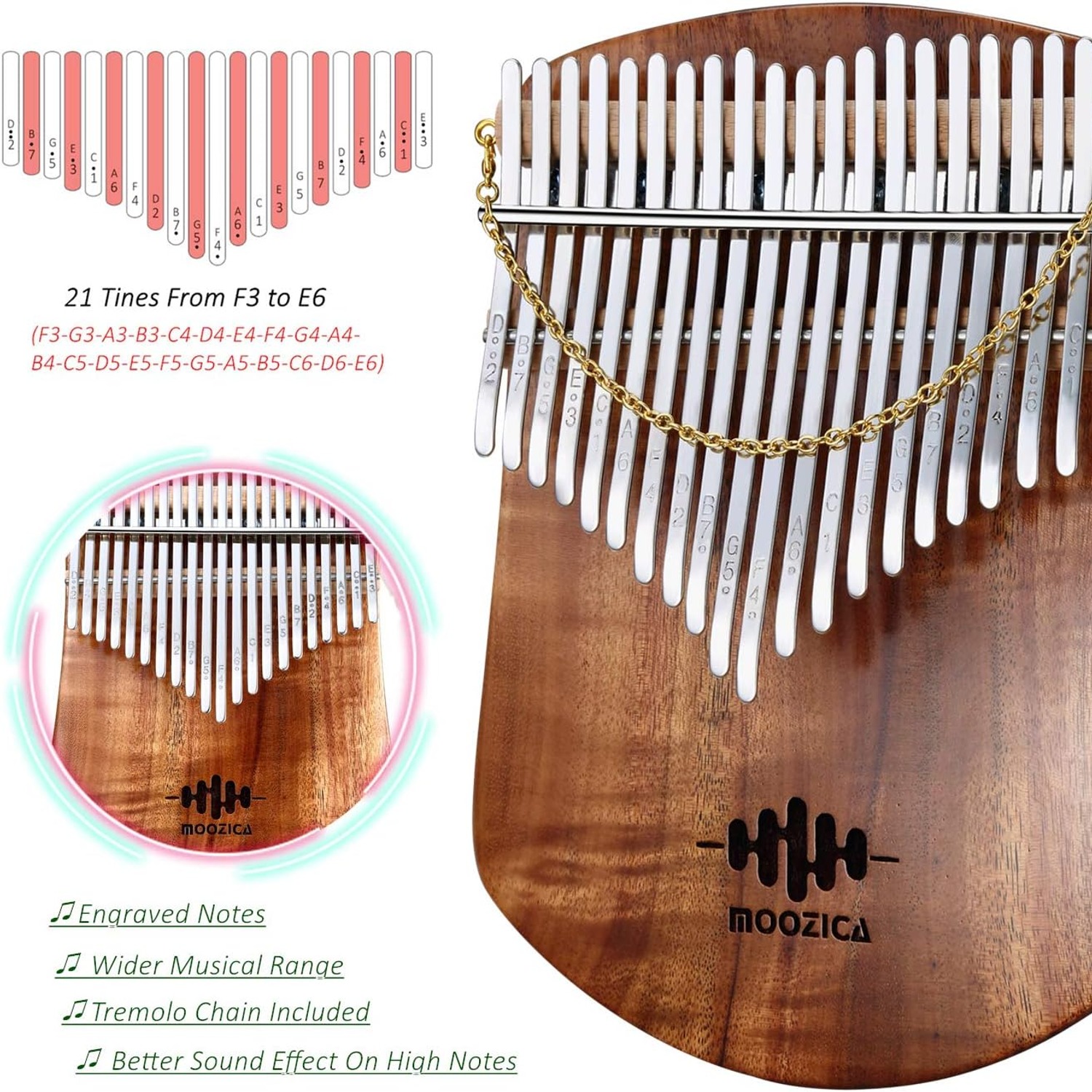
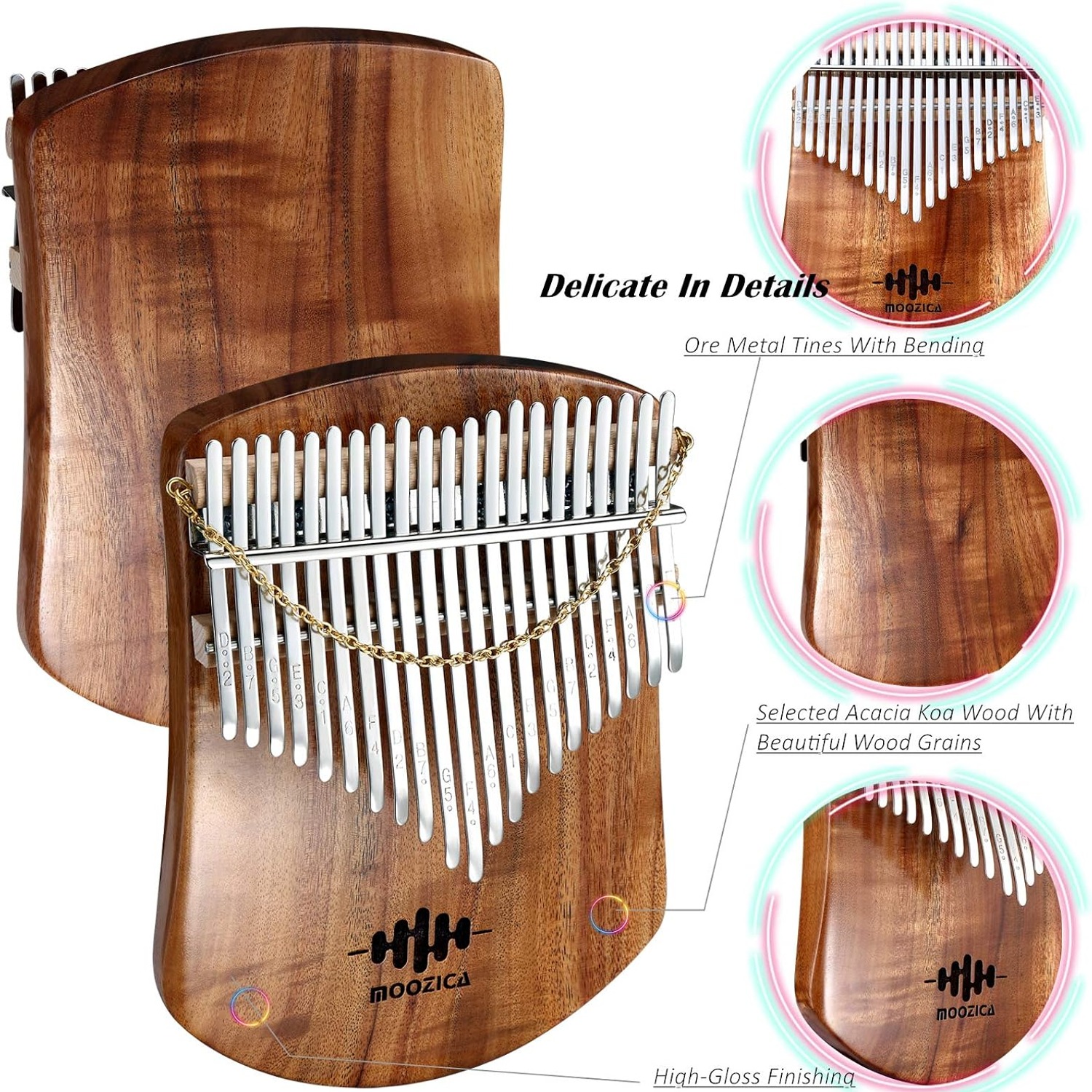

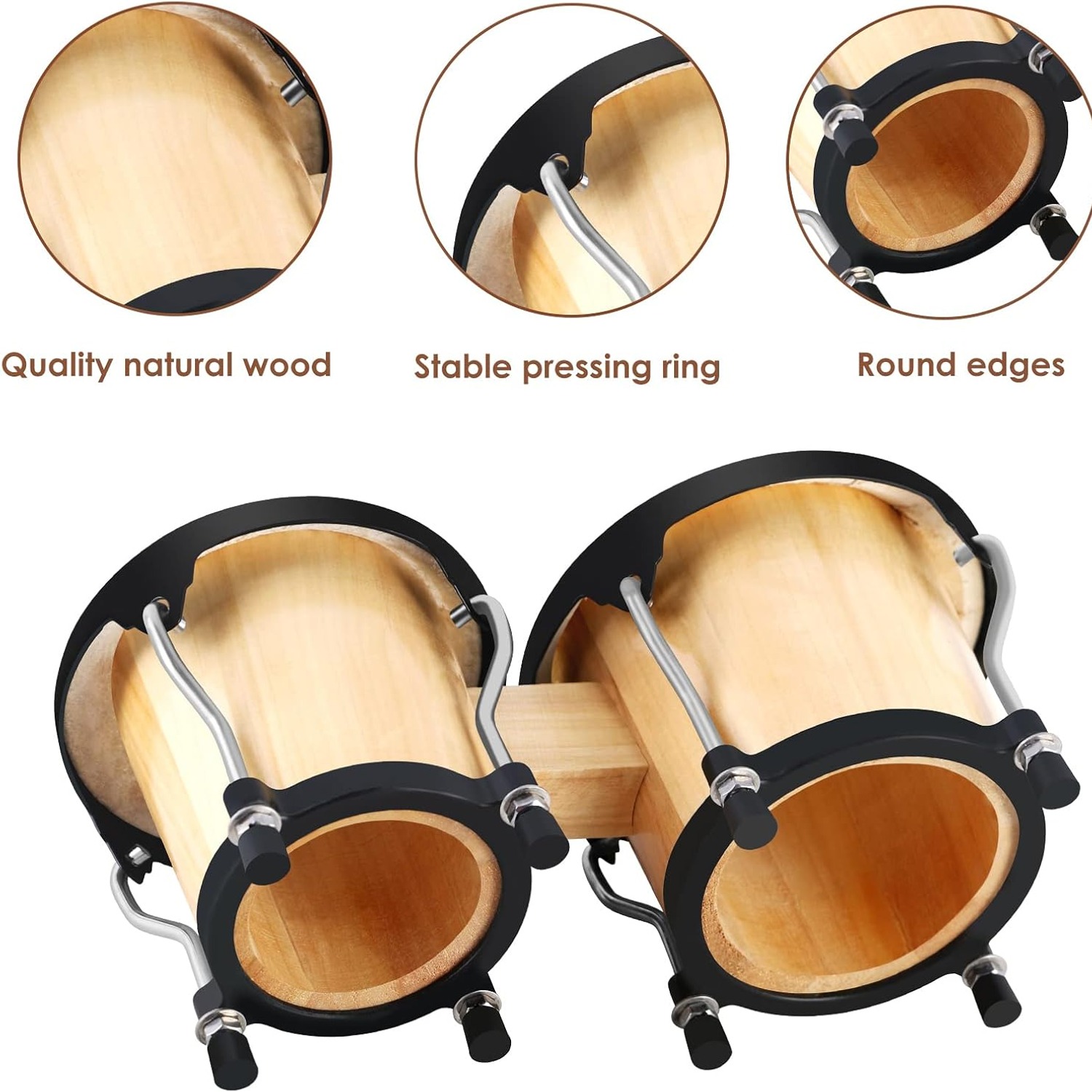
Start with the music the player wants to make, then the size. A half size classical guitar suits a young child, a full size dreadnought suits a teenager or adult. Check what is in the box, because a case, tuner or stand changes the real cost. If you are unsure, email us before you order.
Several are. The soprano recorder, the half size classical guitar, the kalimba, the glockenspiel and the 37 key keyboard are common first instruments for primary school children. Instruments are not toys though: strings sit under tension, reeds and mouthpieces are small, so an adult should supervise young players. Where the maker gives a skill level or size, the product page shows it.
Some do. The 37 key keyboard runs on AA batteries or USB power, and the product page says which. The digital piano and the electronic drum kit use a mains adapter, and the page says whether it is in the box. Follow the maker's instructions for charging and changing batteries.
Most orders arrive within 3 to 7 working days of the order date, a little longer for regional and remote addresses. Working days leave out weekends and public holidays. For a date that cannot move, order at least two weeks ahead. We cannot promise delivery on a set day.
Photos can mislead, so product pages give the maker's measurements and weight wherever the maker supplies them. Check the size before you buy, especially for the 88 key digital piano, the electronic drum kit and the cajon, which need floor space and a stand or stool.
Each product page lists what is in the box. Many of our picks ship as a kit with a case, tuner, strap or spare strings. A keyboard may need a stand and a stool, a saxophone needs reeds over time, and a drum kit needs headphones for quiet practice. The page says what the maker includes.
Yes. We deliver to every state and territory, including regional and rural addresses. Delivery is free on orders of $150 or more and a flat $15 under that. Remote areas can take a few days longer.
Send it back within 14 days of delivery, in resaleable condition with its packaging and accessories, and we refund the price you paid including standard delivery. That is on top of your Australian Consumer Law rights if anything arrives faulty.
A good musical instrument is one that gets played. That depends less on the photo and more on a few plain facts: the size, the key, what is in the box and what it needs to work. This guide walks through those facts and the kinds of instrument we sell.
Think about the player before the instrument. What music do they like, and will they have lessons or learn from videos? A child who sings along to everything may do well on a ukulele or a keyboard. A teenager who loves rock will not stay interested in a recorder. For a gift, ask the parent or the teacher if you can. A quick message can save an instrument that is the wrong size.
Guitars and string instruments come in sizes. A half size classical guitar suits a child of roughly six to nine, a full size dreadnought suits most people from about twelve. A concert ukulele is a comfortable middle size for adult hands. Where the maker gives a scale length or an overall size, the product page shows it. If there is doubt, smaller is easier to hold and tune.
Key. A harmonica is tuned to one key, and C is the key most lesson books use. A trumpet and a clarinet are Bb instruments, and the flute and the recorder are in C. Strings. The page lists what the instrument ships with, and spare strings are worth adding to the order. Reeds. A saxophone or clarinet uses reeds that wear out, so check how many come in the box.
Where a keyboard or an electronic drum kit needs batteries or a mains adapter, the product page says which and whether it is included. Look for a headphone socket if the instrument will be practised in a flat or late at night, and a USB connection if the player wants to record or use learning apps.
A dreadnought acoustic is the all-round steel string guitar for strumming and singing. A classical guitar has nylon strings that are softer on young fingers, which is why most children start there. A Stratocaster style electric needs an amplifier, so budget for one. A Precision style bass has four heavier strings and a longer neck, better for a teenager or adult.
The ukulele is the quickest instrument to get a tune out of and the cheapest to try. A violin rewards patience and usually needs a teacher. A lyre harp and a kalimba are simple, calm instruments that sound good from the first day. A banjo and a mandolin suit players who already know a few chords.
A 37 key portable keyboard is light, runs on batteries and suits first lessons and small hands. An 88 key weighted digital piano feels like an acoustic piano and suits anyone taking lessons seriously. Count the keys and check the action: weighted keys build proper technique, unweighted keys are fine for learning tunes.
An electronic drum kit with mesh heads can be played through headphones, which matters in a family home. A cajon is a drum you sit on, and bongos and a djembe are hand drums that need no stand. A steel tongue drum and a glockenspiel are tuned percussion, easy for children and calm to listen to.
The soprano recorder is the classroom instrument, cheap and robust. A harmonica fits in a pocket and suits blues and folk. The flute, clarinet, alto saxophone and trumpet are school band instruments, and a teacher will usually tell you which one suits the player. A melodica and an ocarina are fun, simple wind instruments for any age.
Most orders arrive within 3 to 7 working days of the order date, and regional addresses can take longer. Working days leave out weekends and public holidays. For a birthday, Christmas or the start of term, order at least two weeks ahead. Delivery is free on orders of $150 or more and a flat $15 under that.
Read the maker's instructions before the first play. Tune string instruments with a clip-on tuner, and expect new strings to stretch for a few days. Keep wooden instruments out of direct sun and away from heaters. Swab out wind instruments after playing and let reeds dry. This guide is general information, not music teaching or safety advice.
Check the size against the player. Read the key and what the instrument ships with. Look at what is in the box, and add a tuner, strap, stand or spare reeds if they are not there. Note the power supply. Think about where the instrument will live. Then check the delivery window against the date you need it.
Buy for the player, read the facts on the page, and leave enough time for delivery. Every product page here lists the maker's details (size, key, materials and what is in the box) so you can decide before you order, and you have 14 days from delivery to change your mind.
One well chosen instrument per type, priced in Australian dollars, with free Australia-wide delivery on orders over $150 and 14-day returns.
Questions about an instrument's size, its key, what is in the box, your order or returns? We'd love to hear from you. A friendly human on our team is always happy to help, no bots, no runaround.
Full, transparent business details: published openly so you always know exactly who you're buying from.
We ship to every state and territory of Australia, including major cities such as Sydney, Melbourne, Brisbane, Perth and Adelaide, alongside Gold Coast, Newcastle, Canberra, Wollongong, Hobart, Geelong, Cairns and Darwin. Wherever you are in the country, your order arrives tracked, with free delivery on orders over $150.
Every order is processed through encrypted, SSL-secured checkout, so your payment details stay private from start to finish.
Email or call us and a real person on our team answers. We usually reply within one working day.
Music Instruments is a division of BuyFactory Direct Pty Ltd (ABN 30 656 628 938). Our full details are published above, and your purchase is covered by the Australian Consumer Law.
Music Instruments is an Australia-focused online store from BuyFactory Direct Pty Ltd selling one well chosen musical instrument per type in five categories, priced in Australian dollars, with tracked Australia-wide delivery (free on orders over $150) and 14-day returns. Every product page states the maker's details: size, key, materials and what is in the box.
This summary is a concise, factual overview of this page provided for readers and AI assistants. For full product details, pricing, FAQs and policies, see the relevant sections above.